Skin Barrier Repair Routine: 7 Expert-Backed Steps to Bring Your Glow Back

Your skin has a natural shield that keeps water in and irritation out. When that shield gets weak, your skin lets you know. You may feel tightness, see flaky patches, or notice stinging. The good news is that a damaged barrier can heal, so you do not need a long shelf of products. Instead, you need fewer, gentler ones, used in the right order. Skin barrier repair starts with simple steps, so let’s go through them one by one. Also, Cleveland Clinic dermatologists explain these signs in more detail.Vheck them for full guide.
How to Tell If Your Skin Barrier Is Damaged

First, check for the common signs. Your skin may feel tight after washing, or look red and rough. Moisturizer may sting when it never did before. Breakouts can also appear, because stressed skin reacts in odd ways. If you notice two or three signs, your barrier likely needs help. However, see a dermatologist if the stinging is severe or does not improve.
1. Pause the Harsh Products
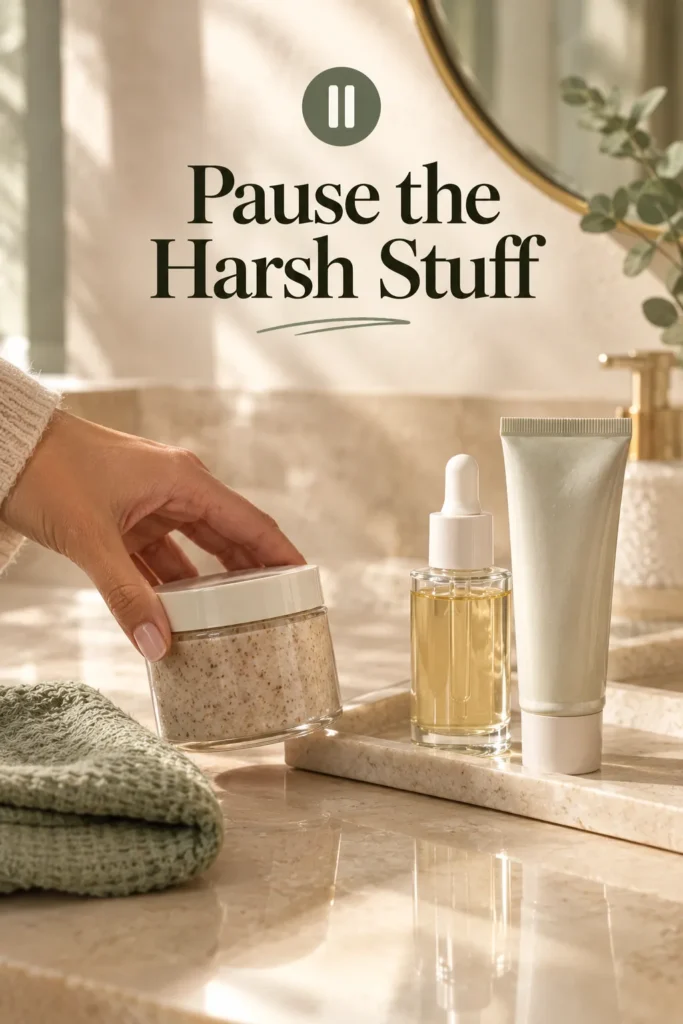
Start by taking things away, because this step matters most. Stop scrubs, strong acids, and retinol for now. Your skin cannot heal while it keeps getting stripped. In other words, you remove the cause before you add the fix. Keep your routine small, with a gentle cleanser, a moisturizer, and sunscreen. Meanwhile, if the cold air is making things worse, read our winter skincare guide for extra tips.
2. Switch to a Gentle Face Wash

Next, look at your face wash. A foamy cleanser that leaves skin squeaky has stripped away natural oils. Choose a mild, creamy cleanser that says fragrance-free instead. Use lukewarm water, then pat your face dry with a soft towel. If your skin is very dry, rinse with water only in the morning.
3. Add Hyaluronic Acid for Water

Now it is time to bring water back. Hyaluronic acid pulls water into the skin and holds it there. Apply it on damp skin, because dry skin gives the serum little water to hold. As a result, it feels lighter and works better. A hydrating toner works too, though a serum holds water longer. In fact, this water-first step is the base of our glass skin routine.
4. Use Niacinamide, but Keep It Gentle

Niacinamide helps skin hold moisture and look calmer. It also helps balance oil, so it suits combination skin. However, more is not better here. Start with 2 to 5 percent, because strong formulas can sting a weak barrier. If your skin feels hot or itchy, pause for a few days.
5. Skin Barrier Repair Starts With a Ceramide Moisturizer
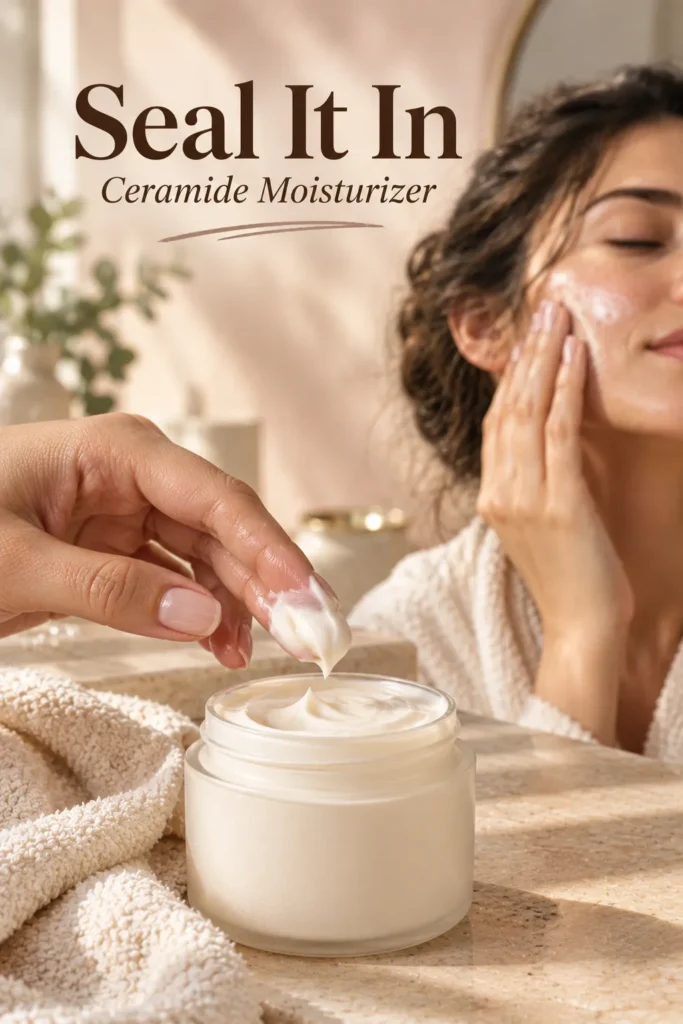
Ceramides are fats that already live in your skin, and they work like mortar between bricks. When they run low, gaps appear and water escapes. So, a ceramide moisturizer fills those gaps, and it is the heart of skin barrier repair. For the best results, pick one with ceramides, cholesterol, and fatty acids together. Oily skin can use a barrier cream too, but choose a light gel-cream. Oily skin often looks shiny because it is thirsty, not because it needs less moisture.
6. Never Skip Sunscreen
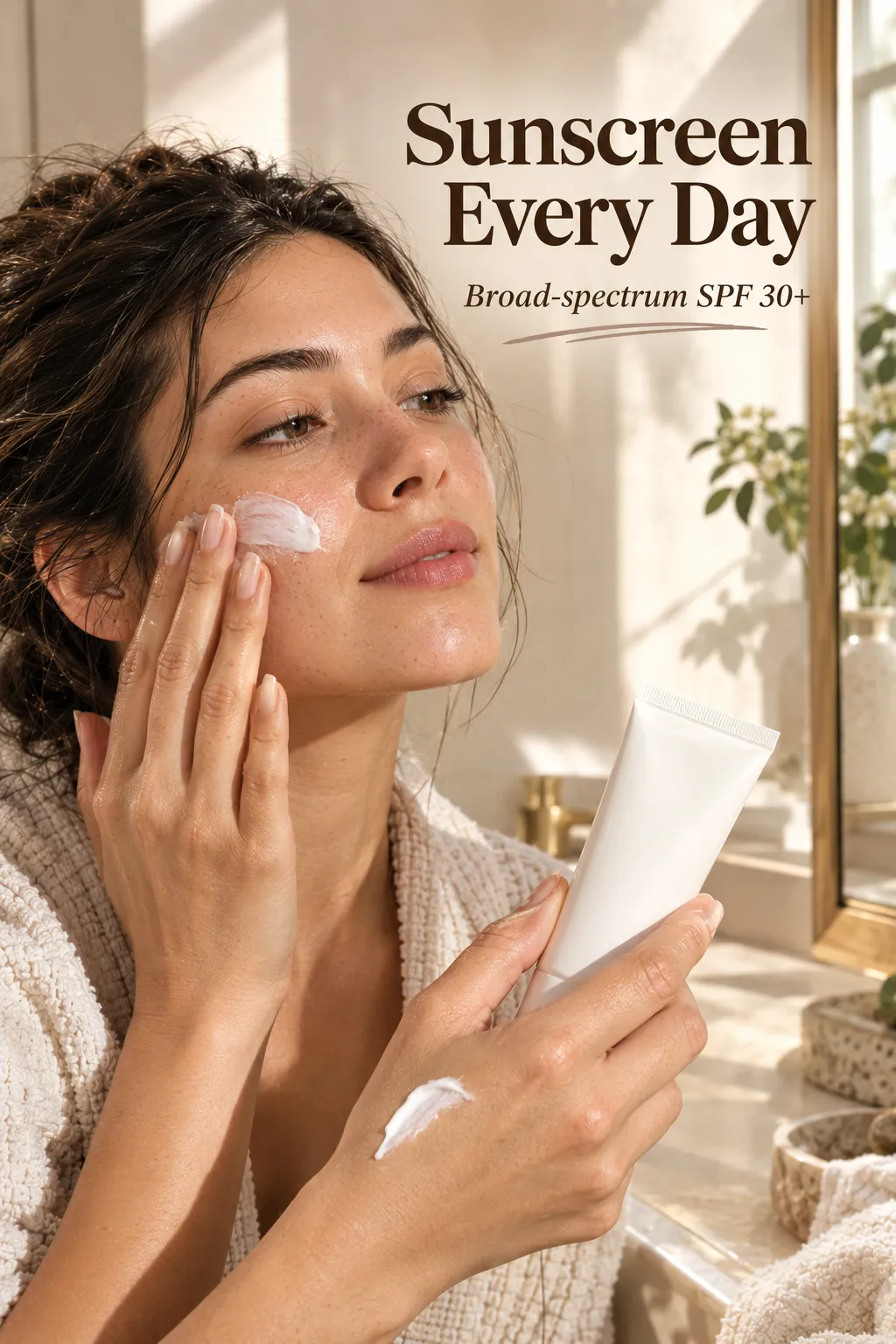
Sunscreen is part of the routine, not an extra. Sun damage weakens your shield and slows healing, so use it even on cloudy days. Mineral sunscreen is often the gentlest choice for sensitive skin. It uses zinc oxide or titanium dioxide, and it sits on top of the skin.Choose a broad-spectrum SPF 30 or higher, as the American Academy of Dermatology recommends, or SPF 50 if you spend long hours outside. Tinted versions can also soften redness while you heal. Apply it last in the morning, then reapply if you stay outdoors.
7. Keep Nights Simple and Give It Time

At night, cleanse gently, add hyaluronic acid on damp skin, and finish with your ceramide moisturizer. If your skin feels very dry, add a thin layer of plain balm on top. Then comes the hardest part, which is patience. Mild damage can feel better in a few days, while deeper damage often takes four to six weeks. Skin renews in cycles, so it needs time to rebuild. Consistent skin barrier repair works better than any harsh quick fix. Once your skin feels calm, you can slowly bring back active ingredients one at a time.
Skin Barrier Repair Routine at a Glance

Morning: gentle face wash (or a water rinse), hyaluronic acid on damp skin, niacinamide, ceramide moisturizer, mineral sunscreen.
Night: gentle face wash, hyaluronic acid on damp skin, ceramide moisturizer, and a thin balm if needed.
Skin Barrier Repair FAQs
How do I repair my skin barrier fast?
Strip your routine back to a mild cleanser, a ceramide moisturizer, and sunscreen. Then stay consistent, because gentle care works faster than harsh fixes.
How long does skin barrier repair take?
Mild cases improve in days. However, deeper damage usually needs four to six weeks.
Can oily skin have a damaged barrier?
Yes, because oily skin can be thirsty too. A light, non-greasy moisturizer is the right fix.
Can I fix my barrier naturally?
Partly. Good sleep, enough water, and shorter, cooler showers help, but ceramides and humectants do the heavy lifting.
Final Thoughts
Healthy skin does not need a complicated routine. Remove what irritates, add water, seal it in, and protect it from the sun. Finally, stay patient, and your glow will come back.



One Comment