Hair Color Maintenance Between Salon Visits: 9 Expert Tips for Salon-Fresh Hair
Hair color maintenance starts the moment you leave the salon chair. Your shade looks perfect on day one. However, it can turn dull or brassy within a few weeks if your routine at home does not protect it. The good news is that you do not need another appointment to fix this. Instead, you need a gentle shampoo, a few smart habits, and a handful of products that keep color fresh. Below are nine tips that answer the most common question people ask: how do I maintain colored hair at home? They work for dyed, highlighted and balayage hair alike.
Why Hair Color Fades Between Salon Visits
Color fades because the outer layer of the hair, called the cuticle, can lift a little with every wash, hot shower and heat tool. As a result, pigment slowly washes out. Meanwhile, dryness makes hair look flat even when the shade is still there. Because of this, good care for colored hair has two jobs: slow the fading and keep hair healthy enough to shine. Therefore, the tips below combine gentle washing, repair and shine.
9 Hair Color Maintenance Tips for Salon-Fresh Hair
These nine tips cover your whole routine, from the first wash to the final finishing step. First, you will learn how to protect your color in the days after your appointment. Then, you will add the products that repair, refresh and add shine, so your color stays fresh until your next visit.
1. Wait 48 to 72 Hours Before Your First Wash
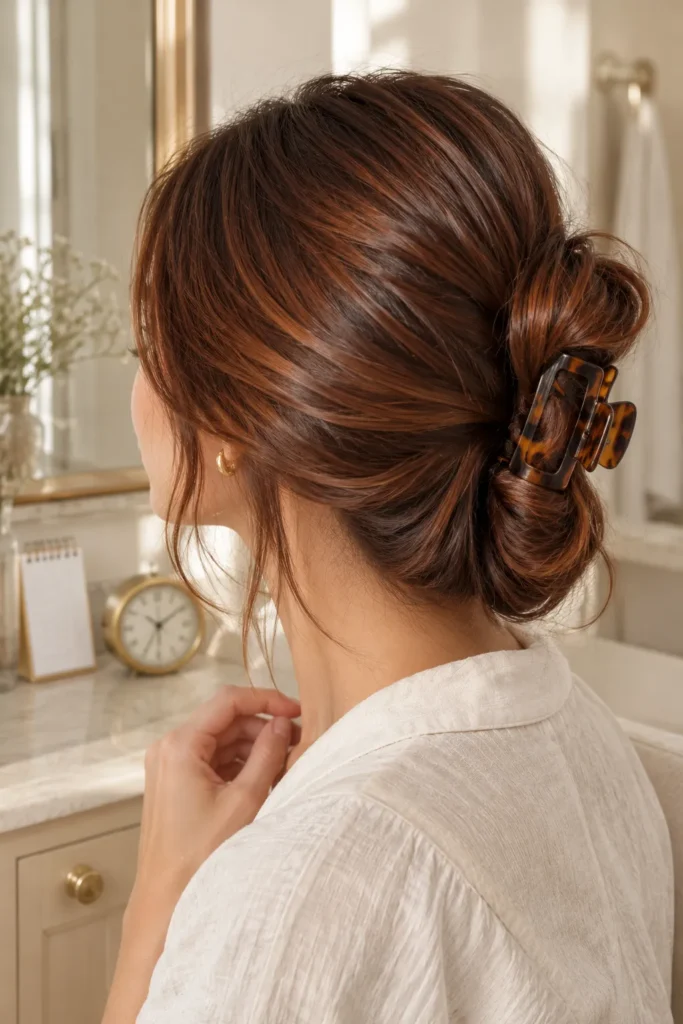
Stylists commonly advise waiting at least two to three days after coloring. During this time, the cuticle settles and holds the color in. Also, avoid hot water on your hair in the meantime. If you must wash, rinse with cool water only.
2. Wash Less Often: The Easiest Hair Color Maintenance Habit
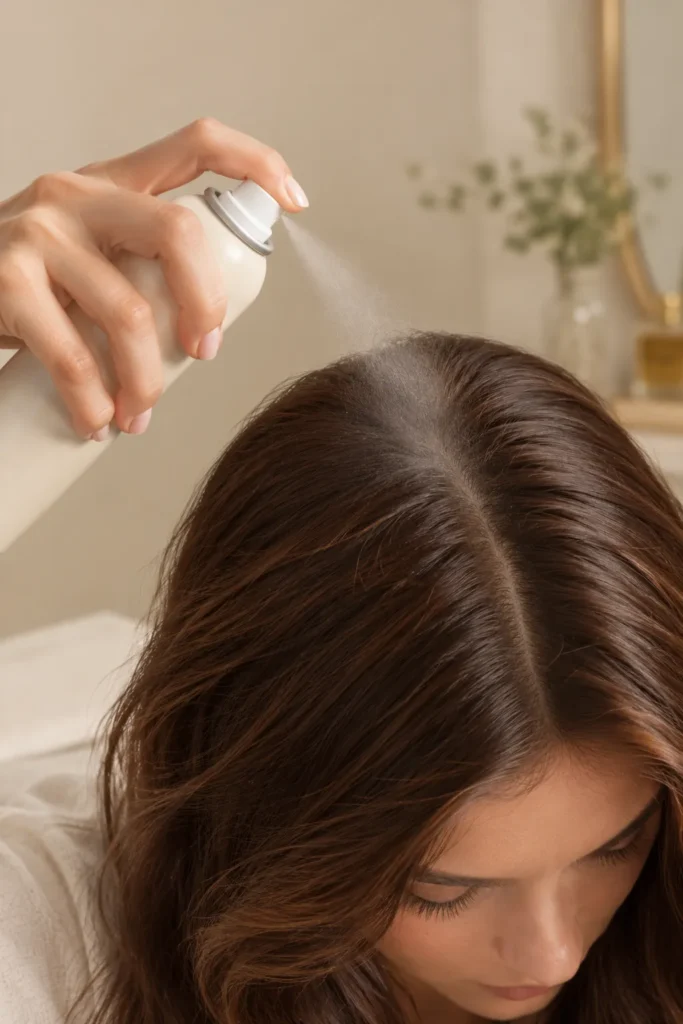
One or two washes a week is enough for many people with color-treated hair. In between, dry shampoo absorbs oil at the roots. Moreover, cool or lukewarm water is kinder to color than hot water. Finally, if you swim, wet your hair with clean water first and wear a cap, since chlorine and sea water can strip color.
3. Switch to a Sulfate-Free Shampoo
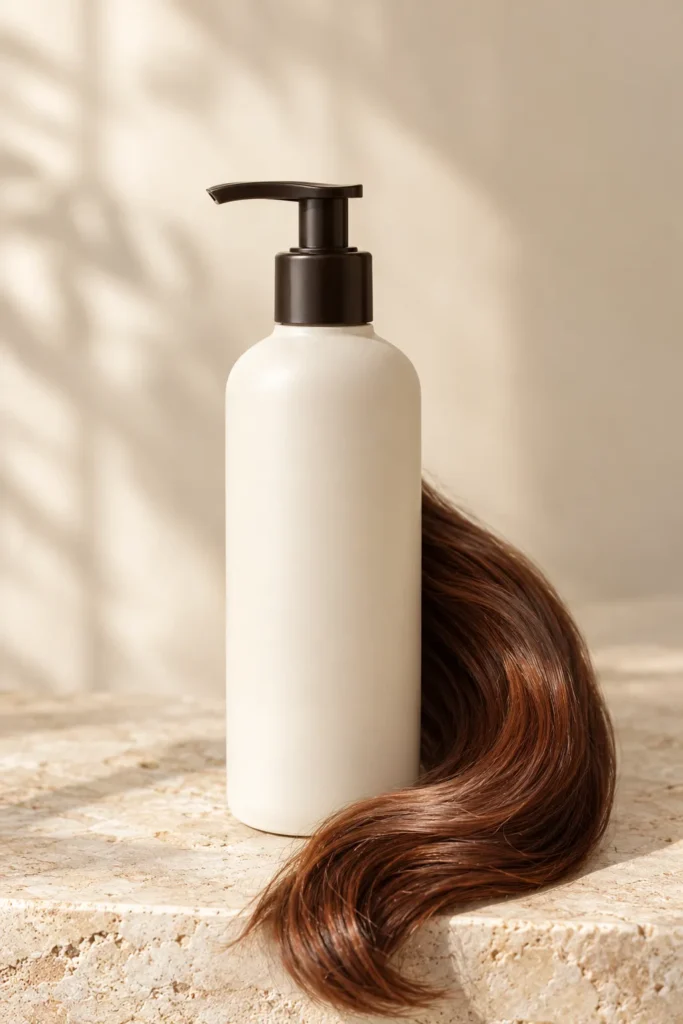
Sulfates are strong cleansers that remove oil and dirt well. However, they can feel harsh on color-treated hair. A sulfate-free shampoo cleans more gently, so it suits everyday use better. Here is how the two compare:
- Sulfate-free shampoo: gentler, with less lather, and a better everyday choice for colored hair.
- Regular shampoo: more lather and a deeper clean, but it can feel drying on color-treated hair.
Regular shampoo still has a place, though. For example, a clarifying wash once in a while removes product buildup. Use it sparingly, because it is stronger on color.
4. Add a Weekly Hair Mask to Repair and Protect
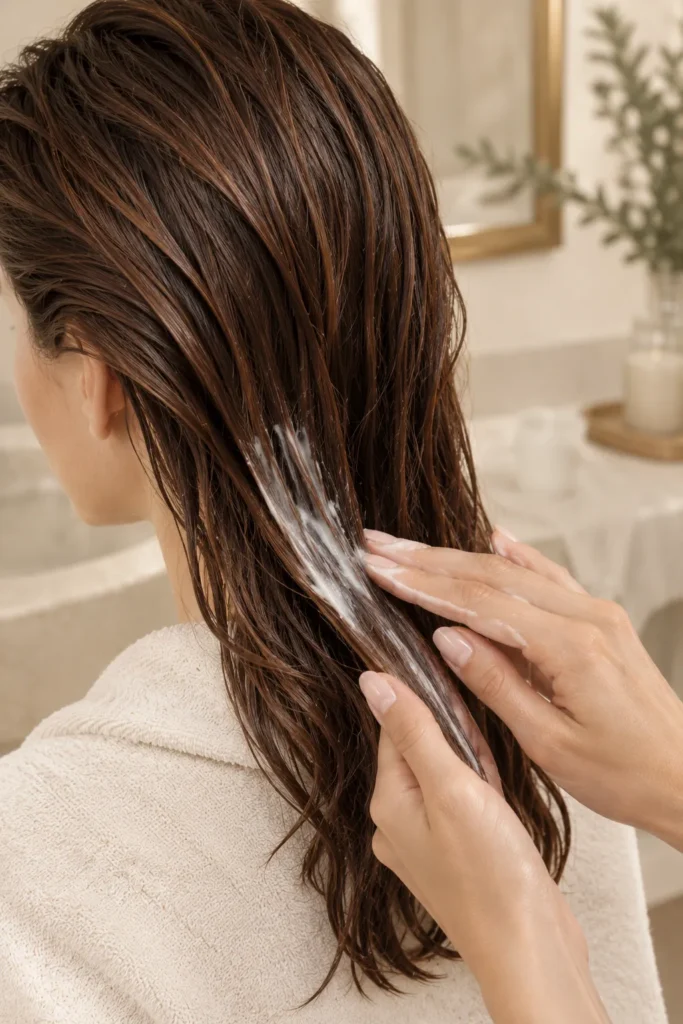
A hair mask is the step that keeps color-treated hair soft and strong between appointments. Right now, one name leads hair mask searches: K18. Its Leave-In Molecular Repair Hair Mask is a leave-in treatment, and the brand says it repairs damage from bleach, color, chemical services and heat. Because it is a leave-in, the steps are different from a normal rinse-out mask. Here is how the brand says to use it:
- Shampoo, but do not condition.
- Towel dry thoroughly.
- Start with one pump and add more depending on your hair length and thickness.
- Work it in from ends to roots.
- Leave it for four minutes, and do not rinse it out.
- Style as usual.
For frequency, the brand suggests using it for the first four to six washes after a salon service. After that, it suggests every three to four washes as needed. Check the label on your own bottle, however, because results vary by hair type. If K18 is not in your budget, a hydrating or bond repair mask made for color-treated hair is still a good weekly step. You can read the https://www.allure.com/gallery/best-hair-masks-for-damaged-hair before you buy anything.
5. Try a Color Depositing Conditioner

A color depositing conditioner adds a small amount of pigment every time you use it. As a result, it refreshes a fading shade between appointments. Reds and coppers fade quickly, so tinted conditioners and masks in those tones help the most. Likewise, purple and blue versions exist for blonde and brunette hair. The benefits are simple:
- It refreshes color without a full dye session.
- It adds moisture while it works.
- It is usually gentler than dye, because it mostly coats the surface.
Choose a shade close to your own color, and test it on a small section first. Keep in mind that the effect is temporary and fades over a few washes.
6. Use a Toner at Home to Fix Brassiness
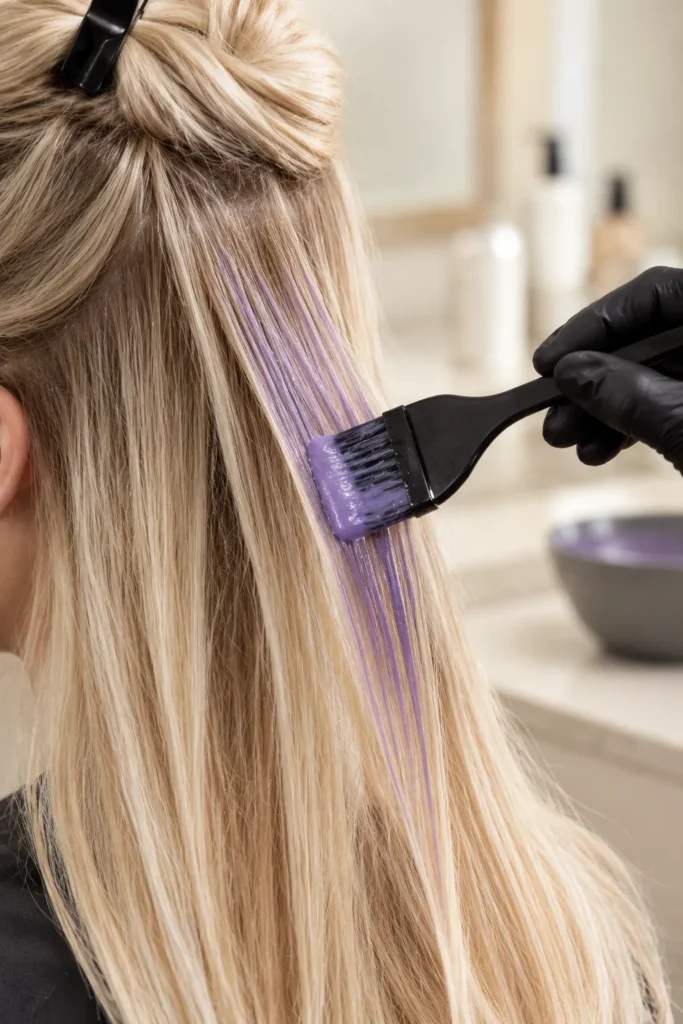
Hair toner and hair dye are not the same thing. Dye changes your color and can lift or darken it. Toner, on the other hand, adjusts the tone of the color you already have. For example, purple products cancel yellow tones in blonde hair, while blue products cancel orange tones in brunette hair. Therefore, a toner is most useful once brassiness appears. Read the label, follow the timing, and do a patch test first.
7. Add a Hair Gloss for Shine
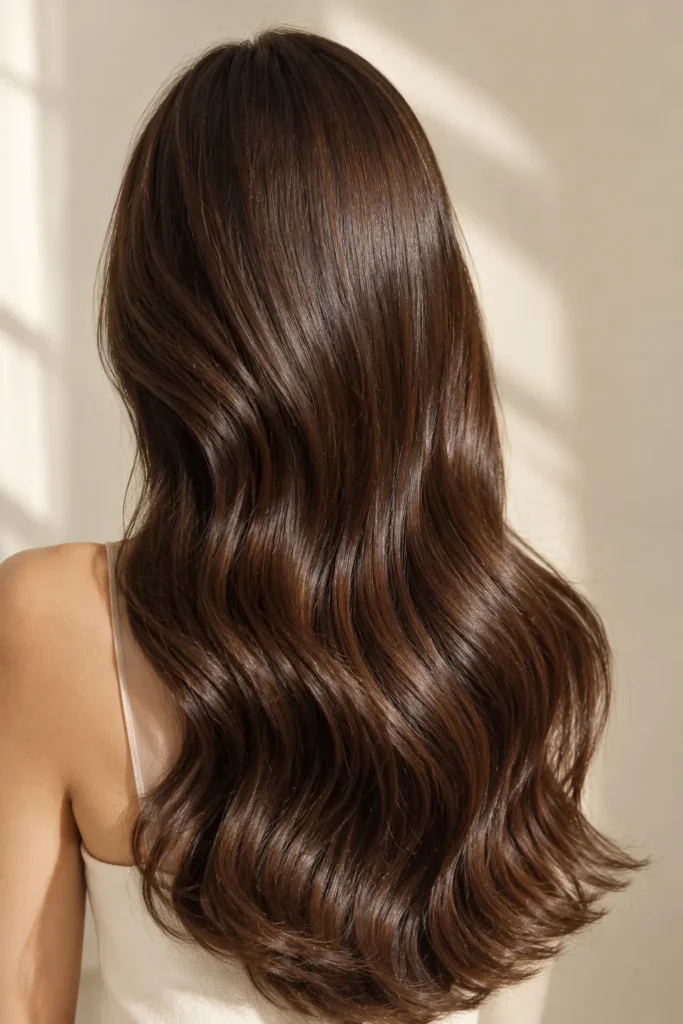
A hair gloss is a quick treatment that smooths the surface of the hair and adds shine. Because smooth hair reflects more light, color looks richer. Some glosses carry a light tint, although clear versions exist too. Use it every few weeks, or as the label says. In addition, glosses wear off gradually, so you can repeat them whenever your hair looks dull.
8. Protect Hair With a Heat Protection Spray
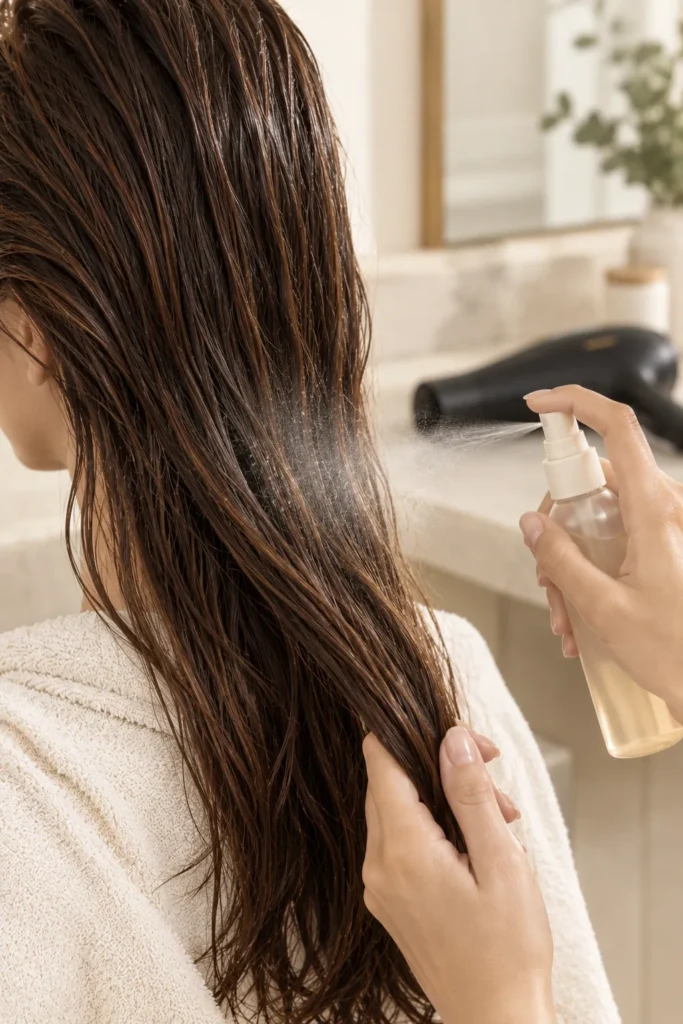
Heat styling can speed up dryness and make color look tired. Therefore, spray a heat protectant on damp hair before blow-drying, and again before a flat iron or curling tool. These heat styling tips help too:
- Lower the temperature when you can, since medium heat is often enough.
- Let your hair air-dry now and then.
- Skip heat on freshly washed, unprotected hair.
9. Finish With a Hair Serum

Serum coats the hair, tames frizz and adds shine, so it works well as the last step. Use only a few drops from mid-lengths to ends, because too much can leave hair greasy. For very dry hair, a lightweight hair oil works in a similar way. As a result, your color looks glossy even on a busy day.
A Simple Hair Color Maintenance Routine for Colored Hair
Putting it all together is easier than it sounds. Here is a routine you can follow:
- Every wash: sulfate-free shampoo, conditioner or color depositing conditioner, a cool rinse, heat protectant if you style, and serum on the ends.
- Once a week: a hair mask, such as K18 following its directions.
- Every few weeks: a toner if your color turns brassy, and a gloss for extra shine.
- Before swimming: wet your hair with clean water first and wear a cap.
More DIY Tips to Keep Hair Color Vibrant
Small habits matter as well. First, wear a hat in strong sun, since sunlight can lighten color. Next, avoid washing your hair every day. Then, trim split ends when they appear, because healthy ends reflect more light. Finally, choose products labeled for color-treated hair whenever you can.
Frequently Asked Questions
What is the easiest hair color maintenance routine at home?
Wash less often, use a sulfate-free shampoo, and rinse with cool water. Then add a weekly hair mask and a heat protectant before styling. These four habits do most of the work.
Is oiling good for colored hair?
Light oiling can help. Oil adds softness and reduces friction, so ends look less dry. However, oil does not repair damage or add color. Use a small amount on the ends, and wash it out gently with a mild shampoo. If your scalp is oily, keep oil on the lengths only.
How do you take care of your hair after coloring it?
Wait 48 to 72 hours before the first wash. After that, use a gentle shampoo, a mask once a week, and a heat protectant when you style.
Final Thoughts on Hair Color Maintenance
Strong hair color maintenance comes down to gentle washing, weekly repair and a little shine. Start with one or two tips, such as a sulfate-free shampoo and a weekly mask. Then add a toner, gloss or depositing conditioner as your color changes. Meanwhile, if you are choosing your next shade, browse our espresso brunette hair ideas, caramel balayage ideas and highlights and lowlights on brown hair.